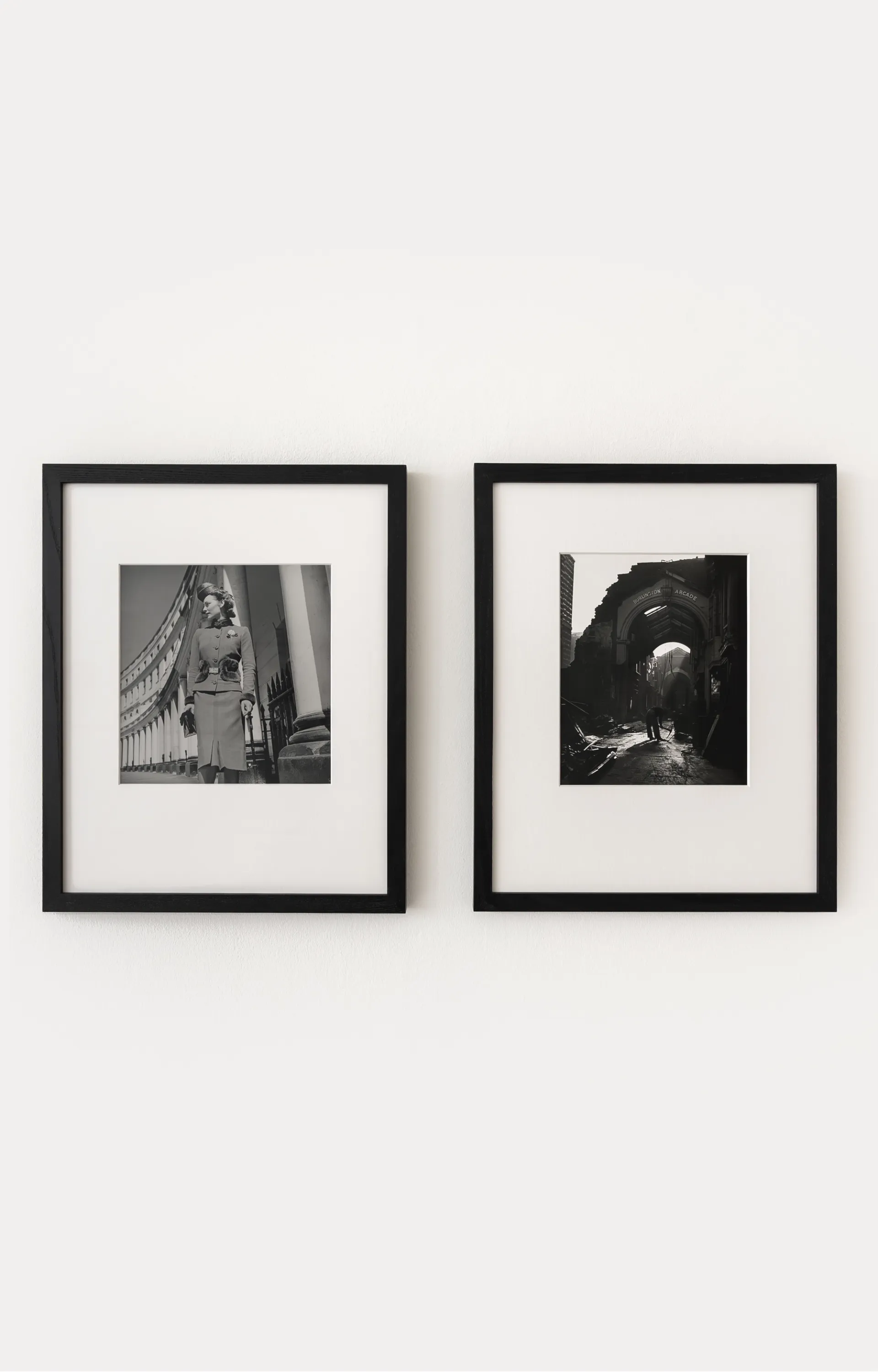
Lee Miller: Performance of a Lifetime, is an exhibition of 34 photographs by the American artist, coinciding with her major retrospective at Tate Britain. On view from January 23-February 25, 2026 at Lyndsey Ingram, the show is curated by Clara Zevi - founder of Artists Support - and organised in collaboration with the Lee Miller Archives.
A portion of sale proceeds from this show will directly support the conservation of Lee Miller’s photographs and the founding of a charity to preserve Farleys, Lee Miller and Roland Penrose’s home.
Biography

Lee Miller, born in 1907 in Poughkeepsie, New York, entered the world of photography as a high fashion model in 1920’s New York, working with some of the greatest fashion photographers of the day, including Edward Steichen, George Hoyningen-Huene and Arnold Genthe. Deciding she would ‘rather take a picture than be one’, in 1929 she moved to Paris to work with Man Ray.
In Paris, Miller established her own photographic studio, working as a commercial portrait and fashion photographer. During this period she re-discovered the Sabattier Effect, a photographic technique later popularised as ‘Solarisation‘, with Man Ray. Miller returned to New York in 1932, and there she established another successful photographic studio. She married Egyptian businessman Aziz Eloui Bey, and moved with him to Cairo, where she photographed precarious, long-range desert travel.
During a visit to Paris in 1937 Miller met Roland Penrose - the surrealist artist who would later co-found the ICA in London and become her second husband - and travelled with him to Greece and Romania. In 1939, she definitively left Egypt for London, moved in with Roland and, defying orders from the US Embassy to return to America, took a job as a freelance photographer for Vogue.
In 1944, Miller became a correspondent accredited to the US Army, and often teamed up with her friend, the LIFE Magazine photographer David E. Scherman. She followed the US troops overseas after D Day, becoming one of only a few women combat photojournalists to cover the front-line war in Europe. Miller documented the siege of St Malo, the Liberation of Paris, the fighting in Luxembourg and Alsace, the Russian/American link up at Torgau, and the liberation of Buchenwald and Dachau Concentration Camps.
Witnessing many of the major events of the Second World War, Miller was billeted in both Hitler and Eva Braun’s houses in Munich, and photographed Hitler’s house, Wachenfeld at Berchtesgaden, in flames on the eve of Germany’s surrender. Penetrating deep into Eastern Europe, she covered harrowing scenes of children dying in Vienna, peasant life in devastated post-war Hungary and finally the execution of Prime Minister Lazlo Bardossy.
Post-war, Miller continued to contribute to Vogue, covering fashion and celebrity culture, including portraits of renowned artists such as Pablo Picasso and Joan Miró. Following the birth of their son, Antony Penrose, Miller and Roland relocated to Farleys, a farm in the East Sussex countryside. In the last two decades of her life, Miller became a celebrated, award-winning cook, known for her dishes inspired by Surrealism. Miller died at Farleys in 1977.
Her works are held in the permanent collections of The National Portrait Gallery, London; Tate, London; Victoria and Albert Museum, London; The Metropolitan Museum of Art, New York; The Museum of Modern Art, New York; Art Institute of Chicago; J. Paul Getty Museum, Los Angeles; New Orleans Museum of Art, New Orleans; Philadelphia Museum of Art, Philadelphia; Museum Ludwig, Cologne; Collection Centre Pompidou, Paris; National Galleries of Scotland and more. Solo exhibitions have been held at Fitzrovia Chapel, London, UK; Palazzo Reale, Milan, Italy; Fundacio Joan Miro, Barcelona, Spain; Martin Gropius Bau, Berlin, Germany; Museo de Arte Moderno ‘MAM’, Mexico; Albertina Kunst Museum Palais, Vienna, Austria; Scottish National Portrait Gallery, Edinburgh, UK; Philadelphia Museum of Art, Philadelphia, USA; SF MOMA, San Francisco, USA; Jeu de Paume, Paris, France; National Portrait Gallery, London, UK; Institute of Contemporary Arts, London, UK; Stedelijk, Amsterdam, The Netherlands; Museum Ludwig, Cologne, Germany; Minneapolis Institute of Art, Minneapolis, USA; Museum of Modern Art, Oxford, UK; Tate Britain, London.
Lee Miller: Performance of a Lifetime

Lee Miller: Performance of a Lifetime examines the pivotal role of theatre, staging and performance in Miller’s practice - from her arrival in Paris in 1929, through to the end of the Second World War.
In 1925, eighteen-year-old Miller was sent by her parents from New York to Paris to pursue an education in European arts and culture. On arrival, Miller declared that she wanted to be an artist and studied stage design at L’Ecole Medgyes pour la Technique du Théâtre, a technical theatre school run by the French-Hungarian artist, Ladislas Medgyes. Erno Goldfinger, the architect responsible for Trellick Tower and many other modernist London buildings, was a teacher at the time. The following year, back in the United States, Miller enrolled at Vassar College to continue her studies. In a diary entry from March 1927, Miller describes resolving a lighting problem on the set of a school play. Impressed, Professor Hallie Flanagan - a key figure in early twentieth-century performance - asked Miller, still a student, to lecture on the technical aspects of contemporary European theatre.
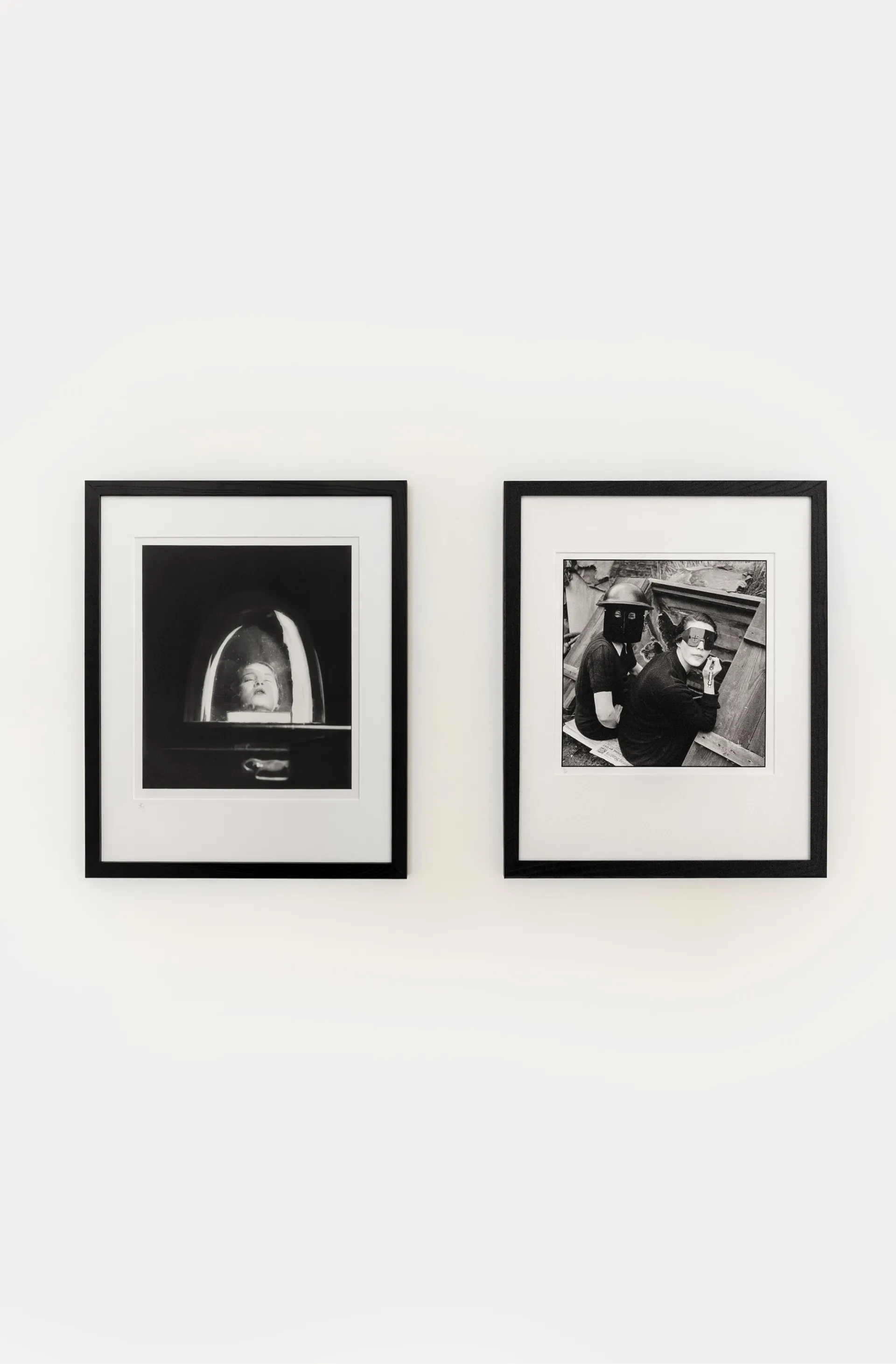
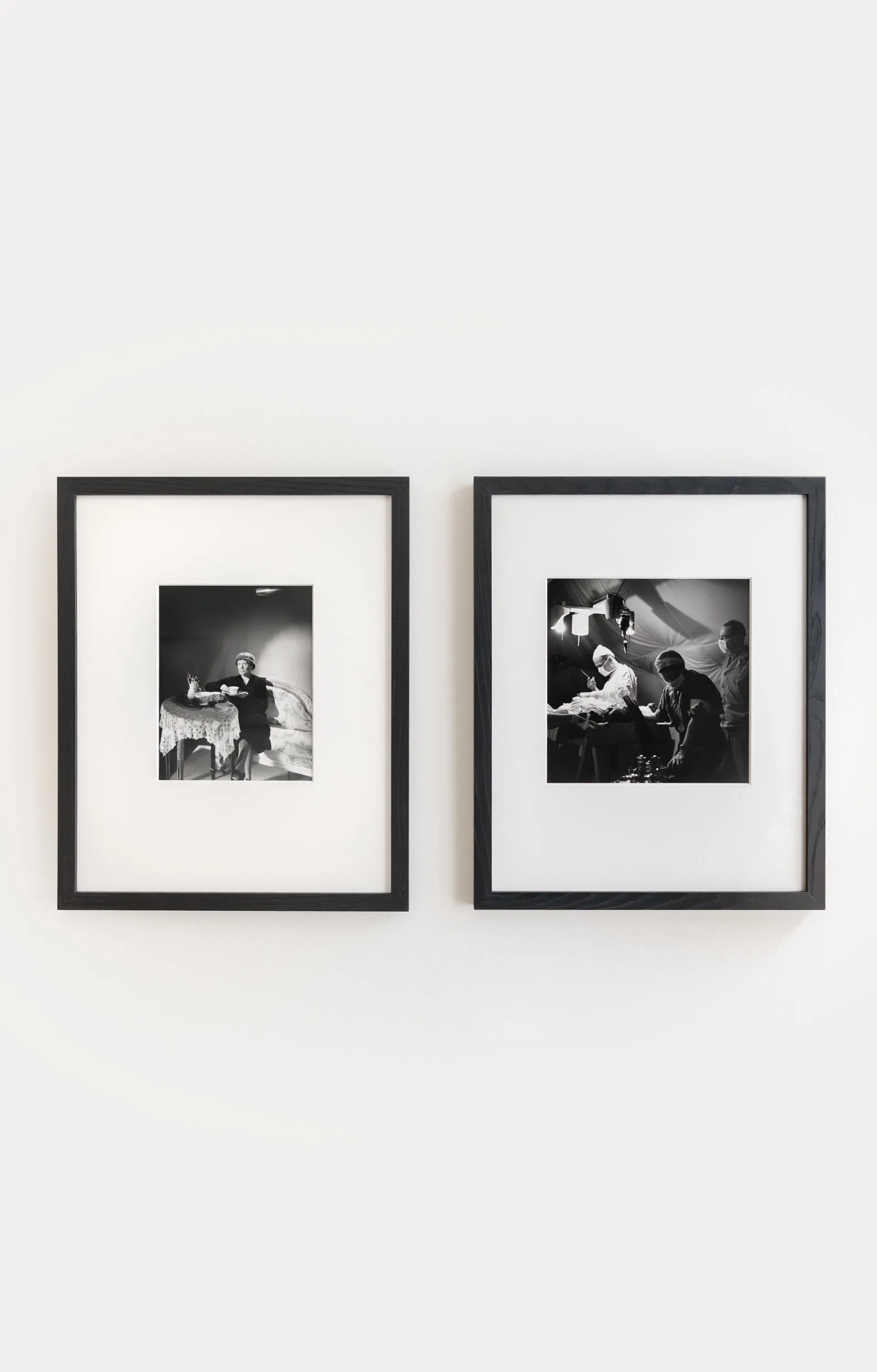
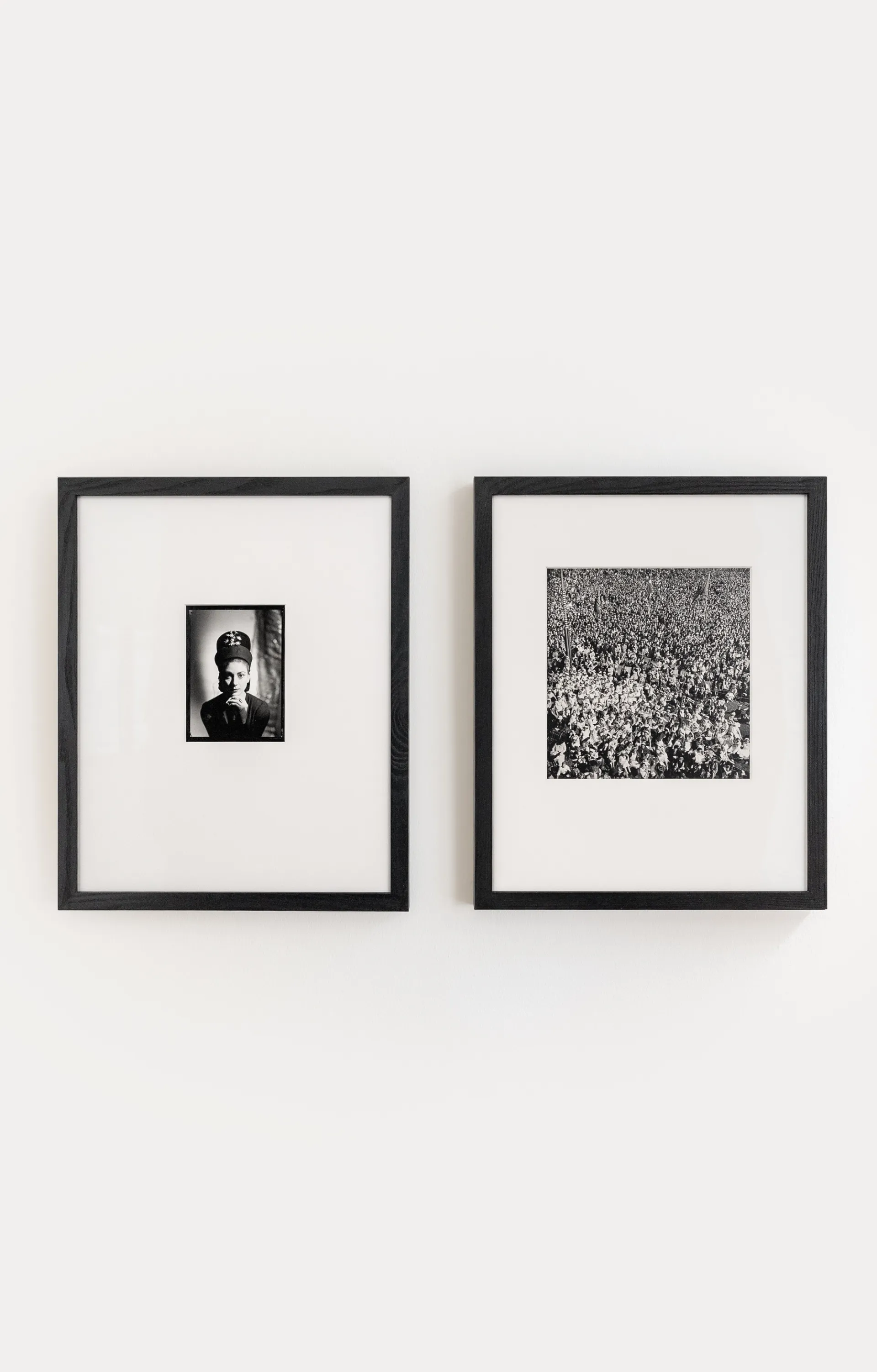
The fifteen years that followed saw the height of Surrealism, the Blitz and the Second World War, all of which Miller captured. It is this era that is closely examined in Performance of a Lifetime. Miller collaborated with Man Ray, shot commercial fashion shoots for Vogue, and photographed the war and liberation of the Dachau and Buchenwald concentration camps. Her photographs from this period are marked by staging and theatricality: dramatic spotlighting, illusions, distortions, and everyday objects that function like props.
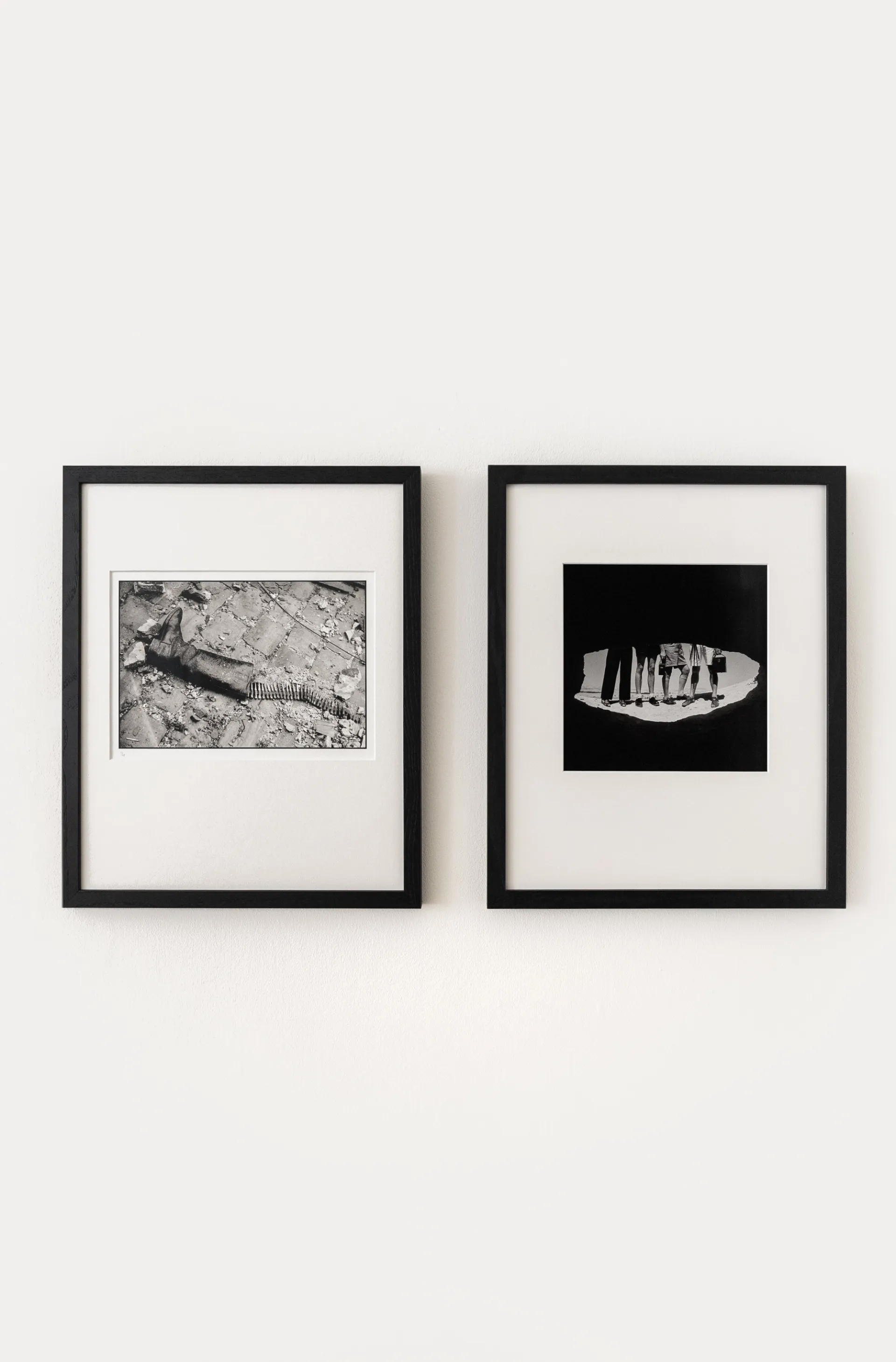
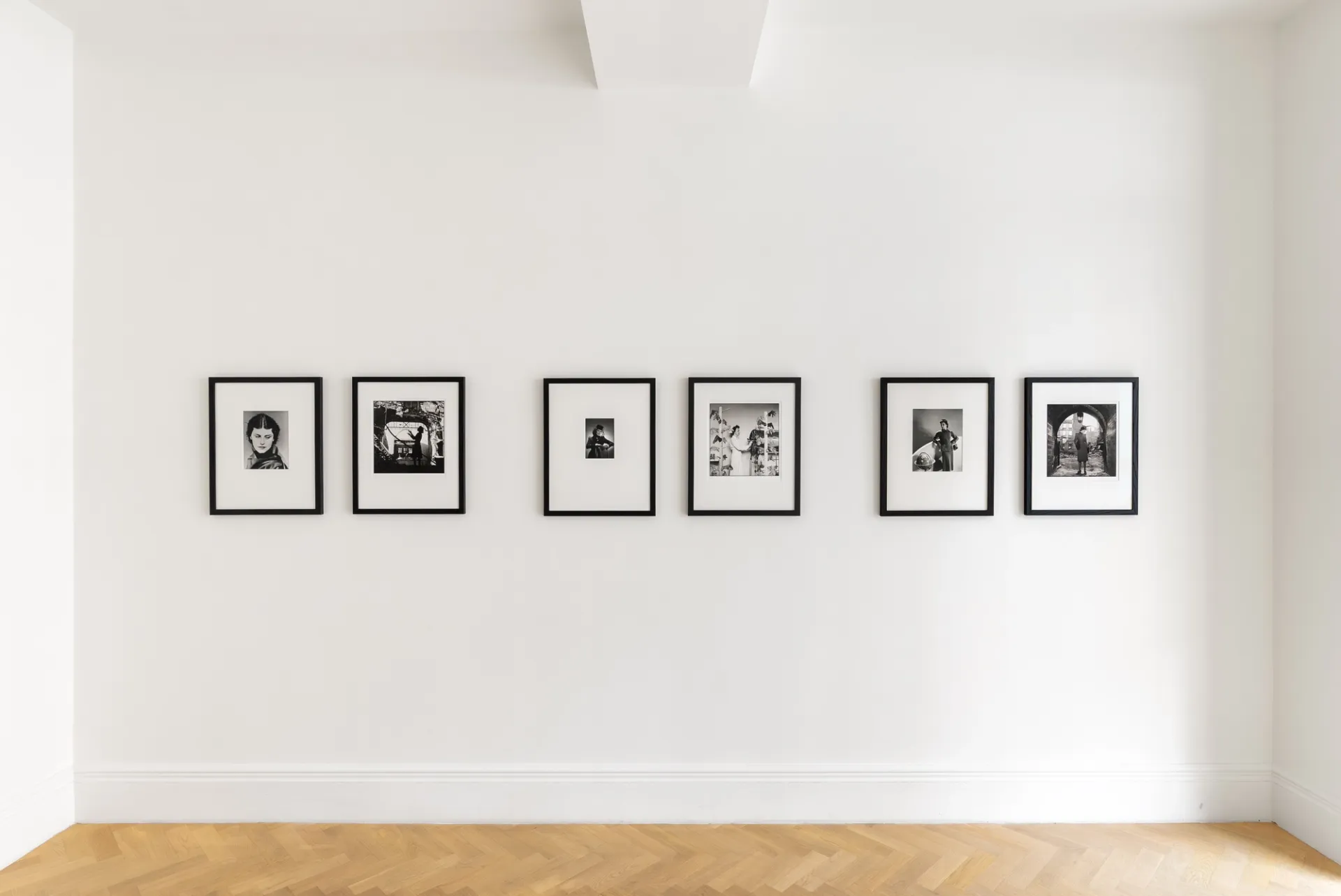
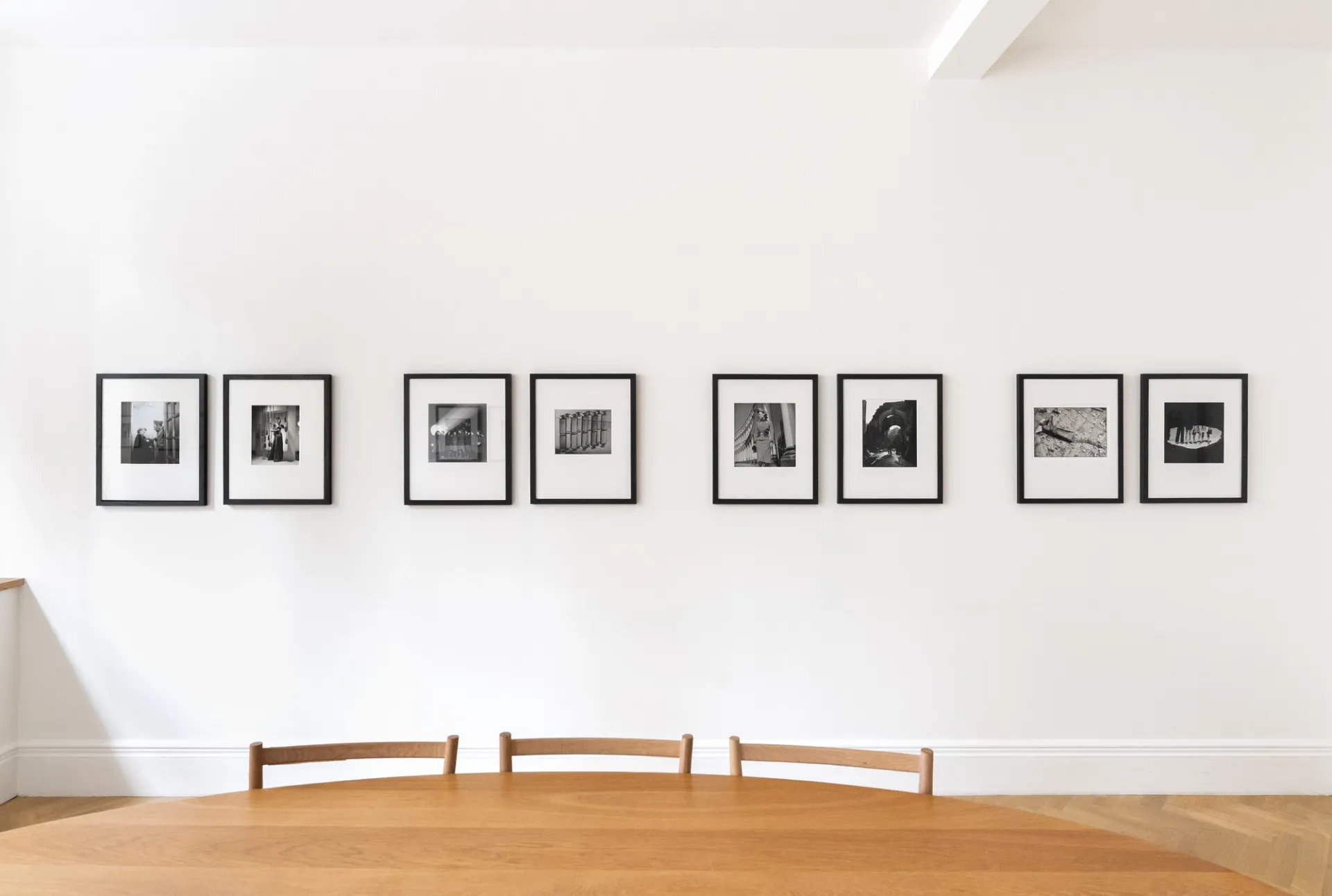
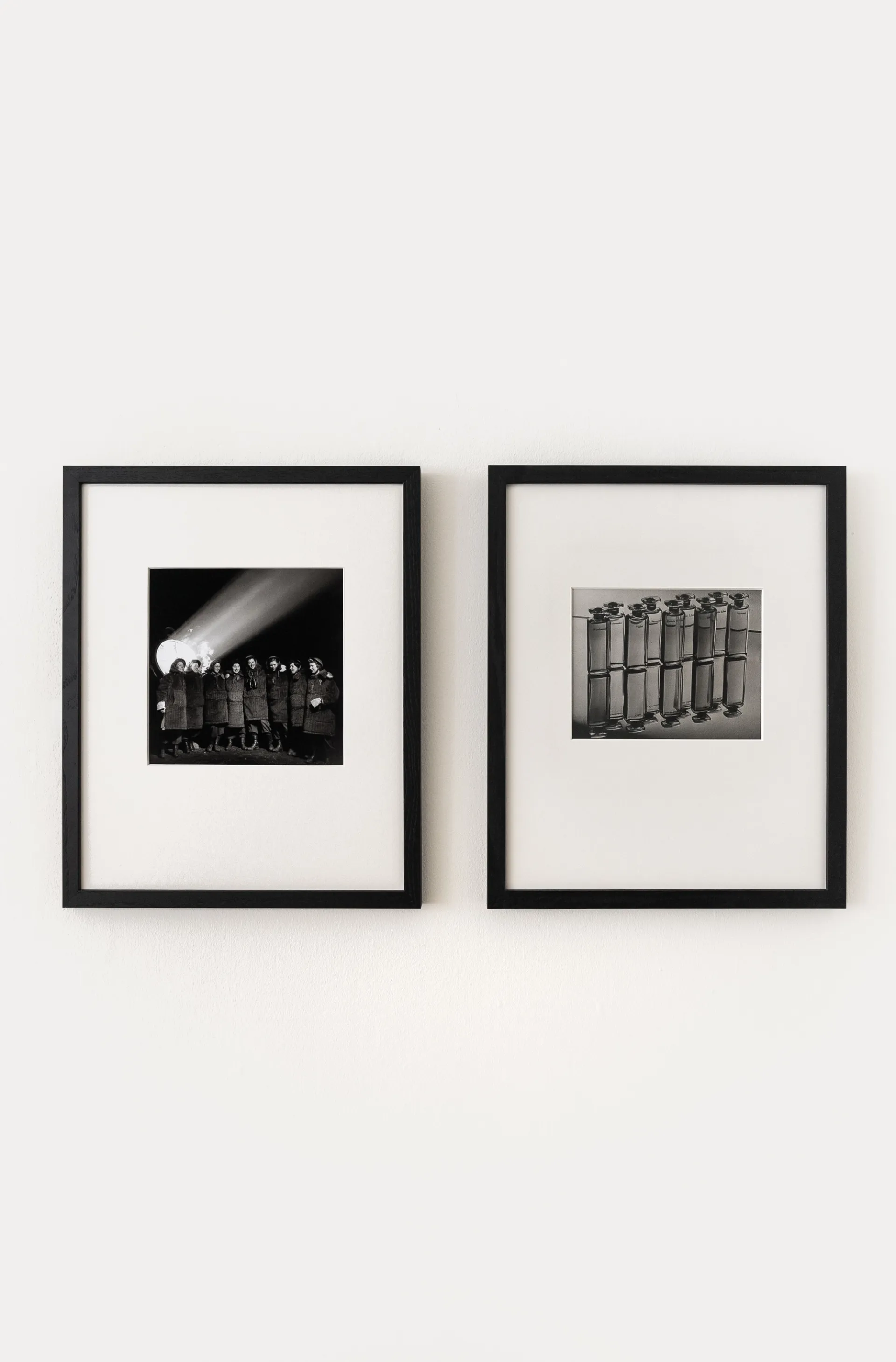
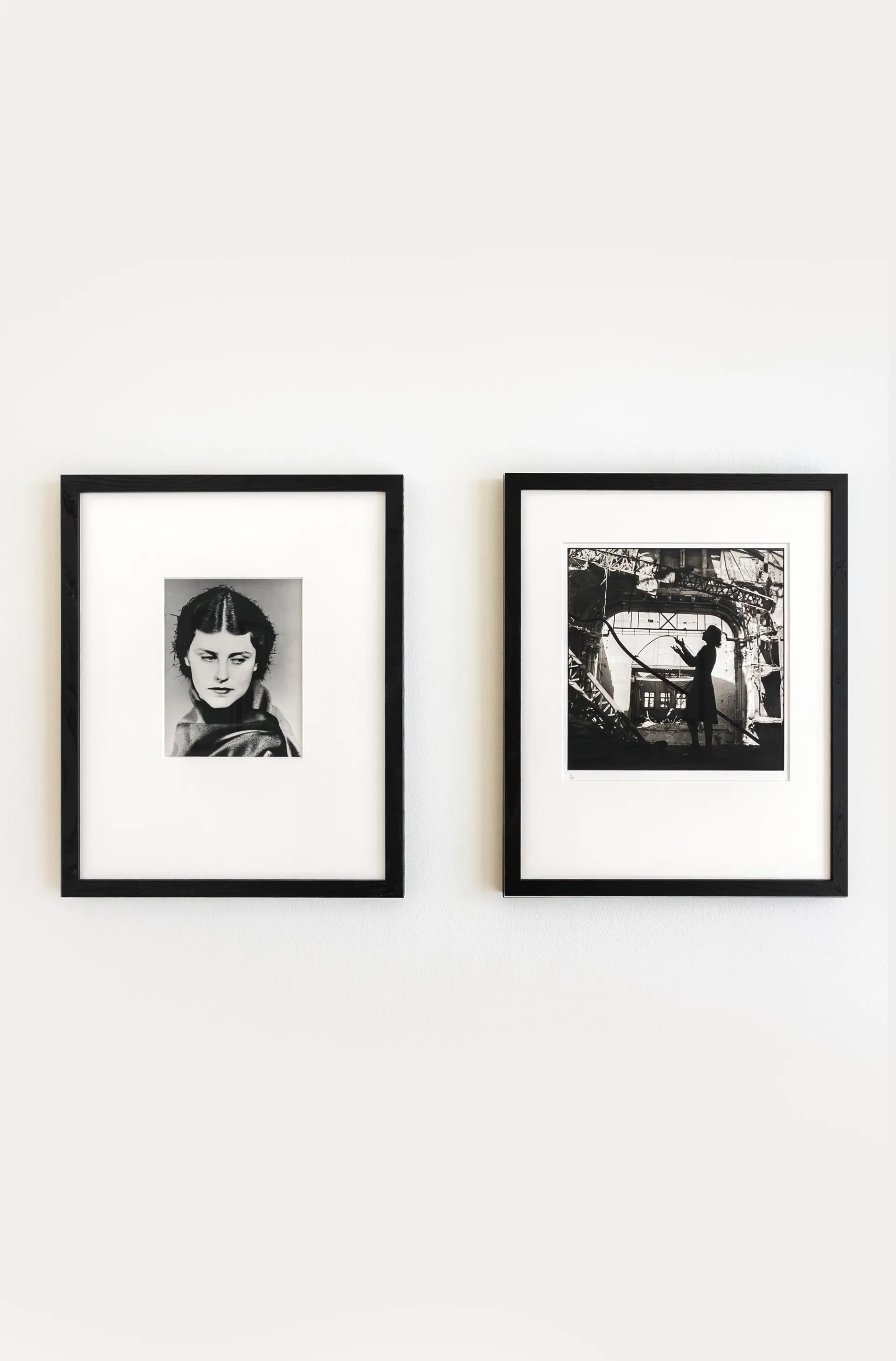
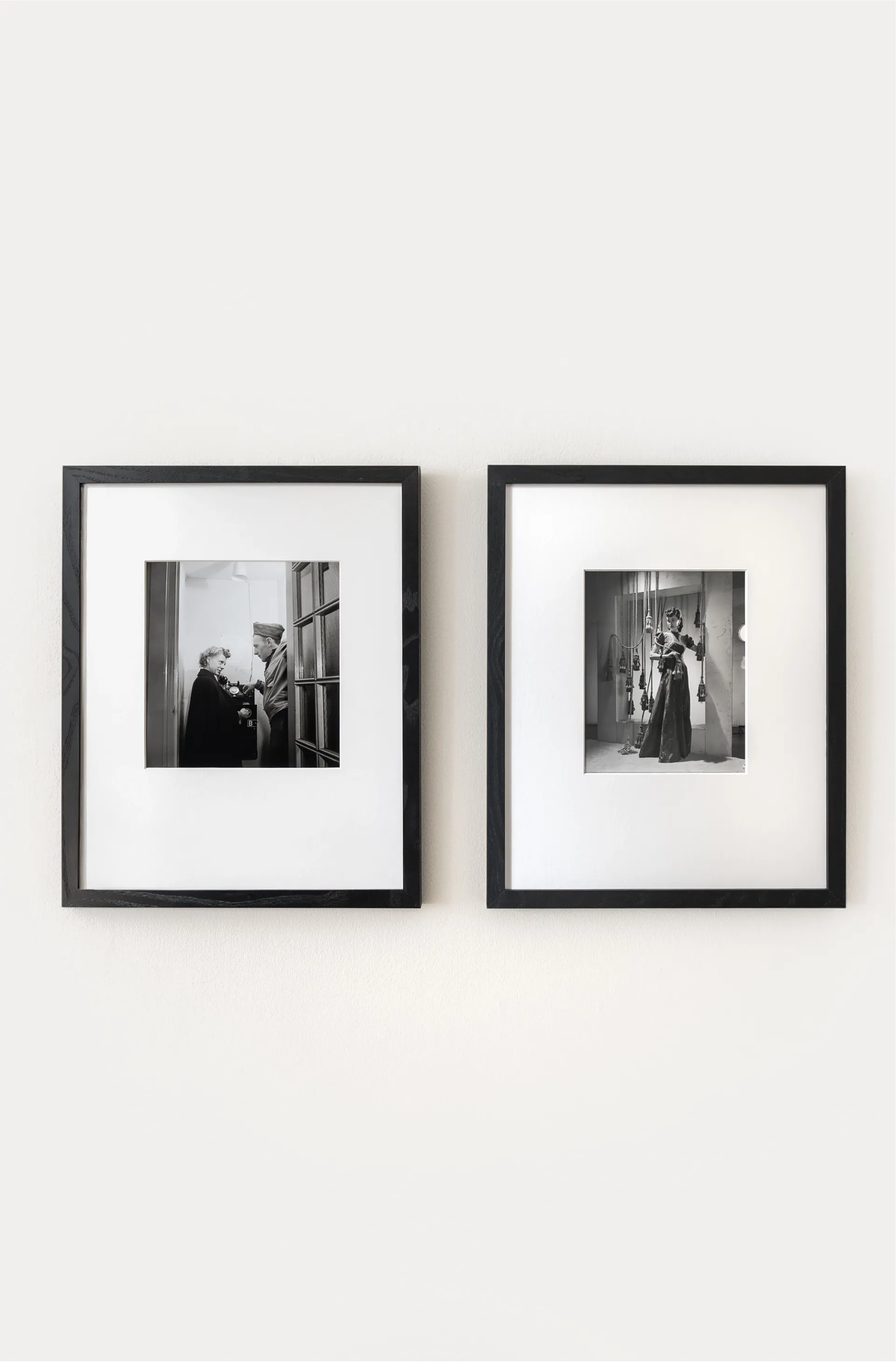
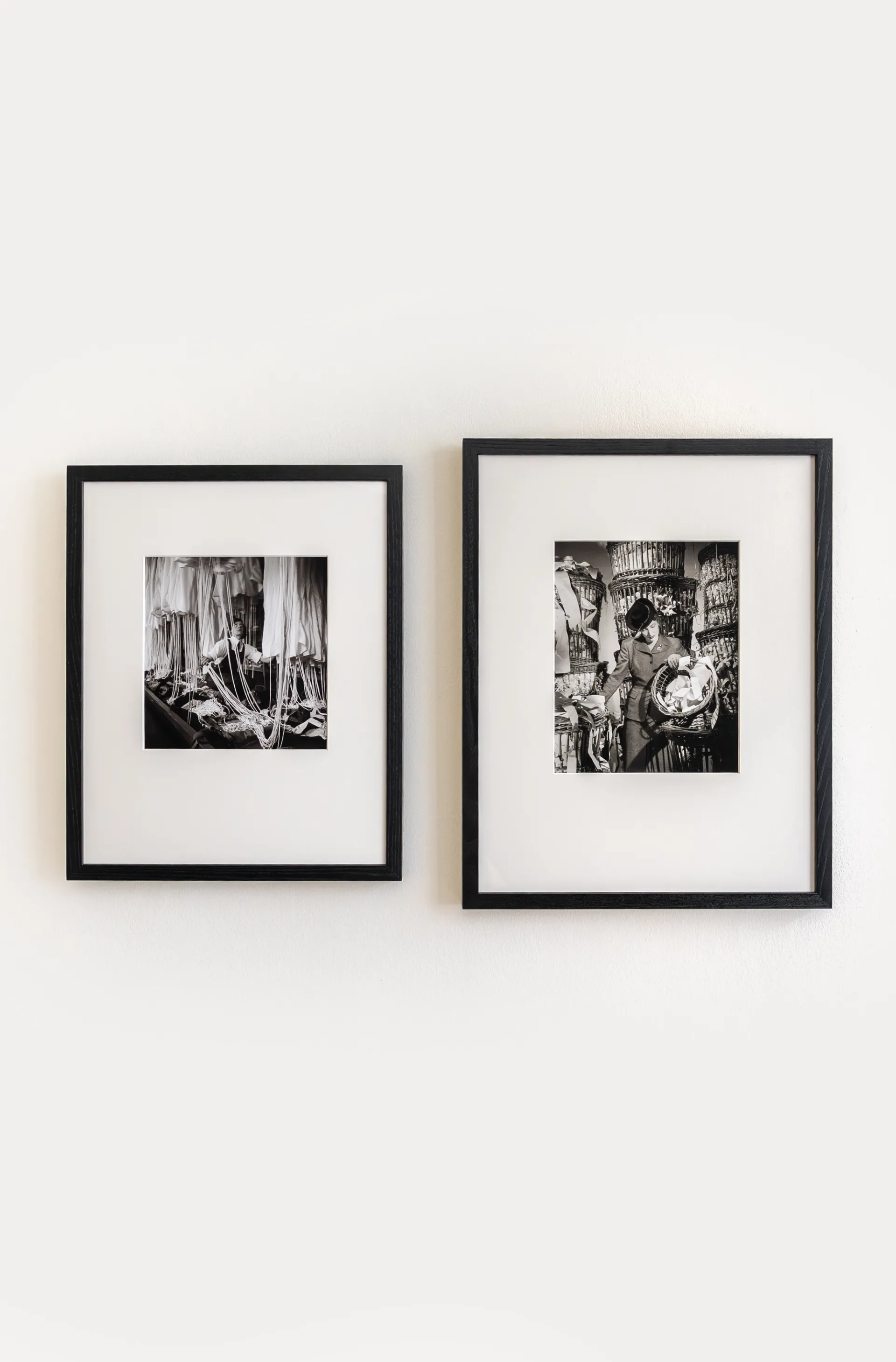
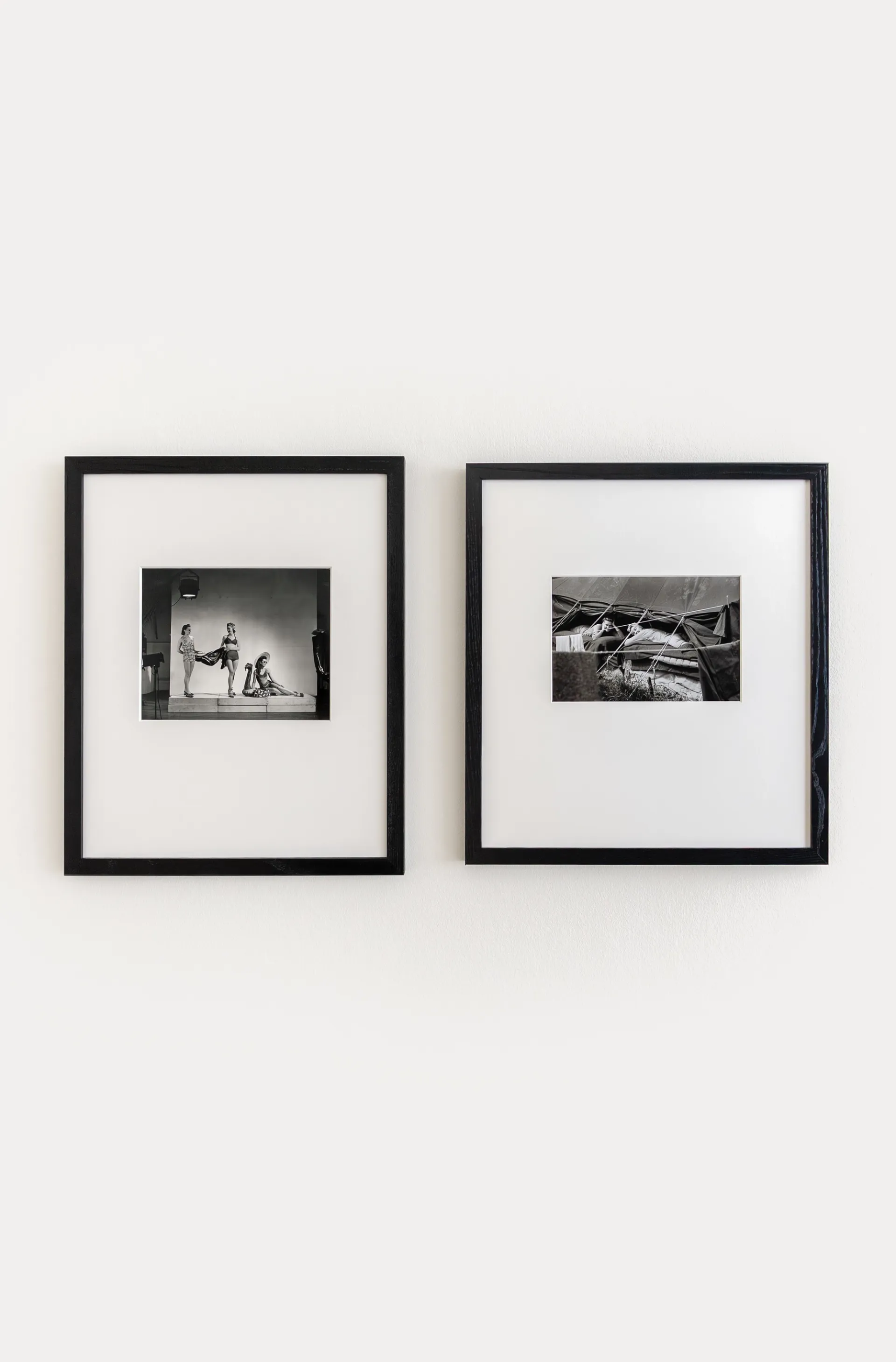
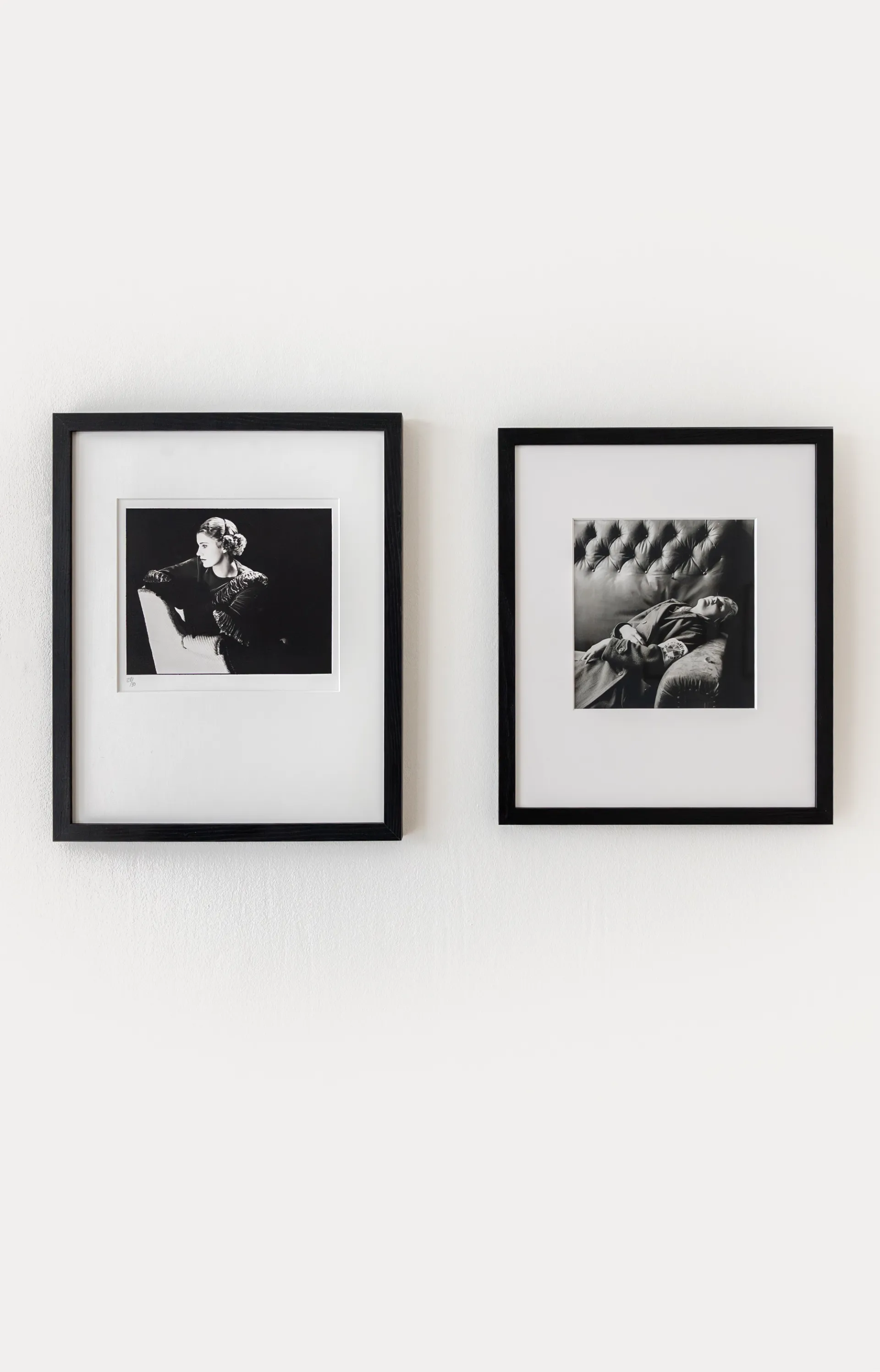
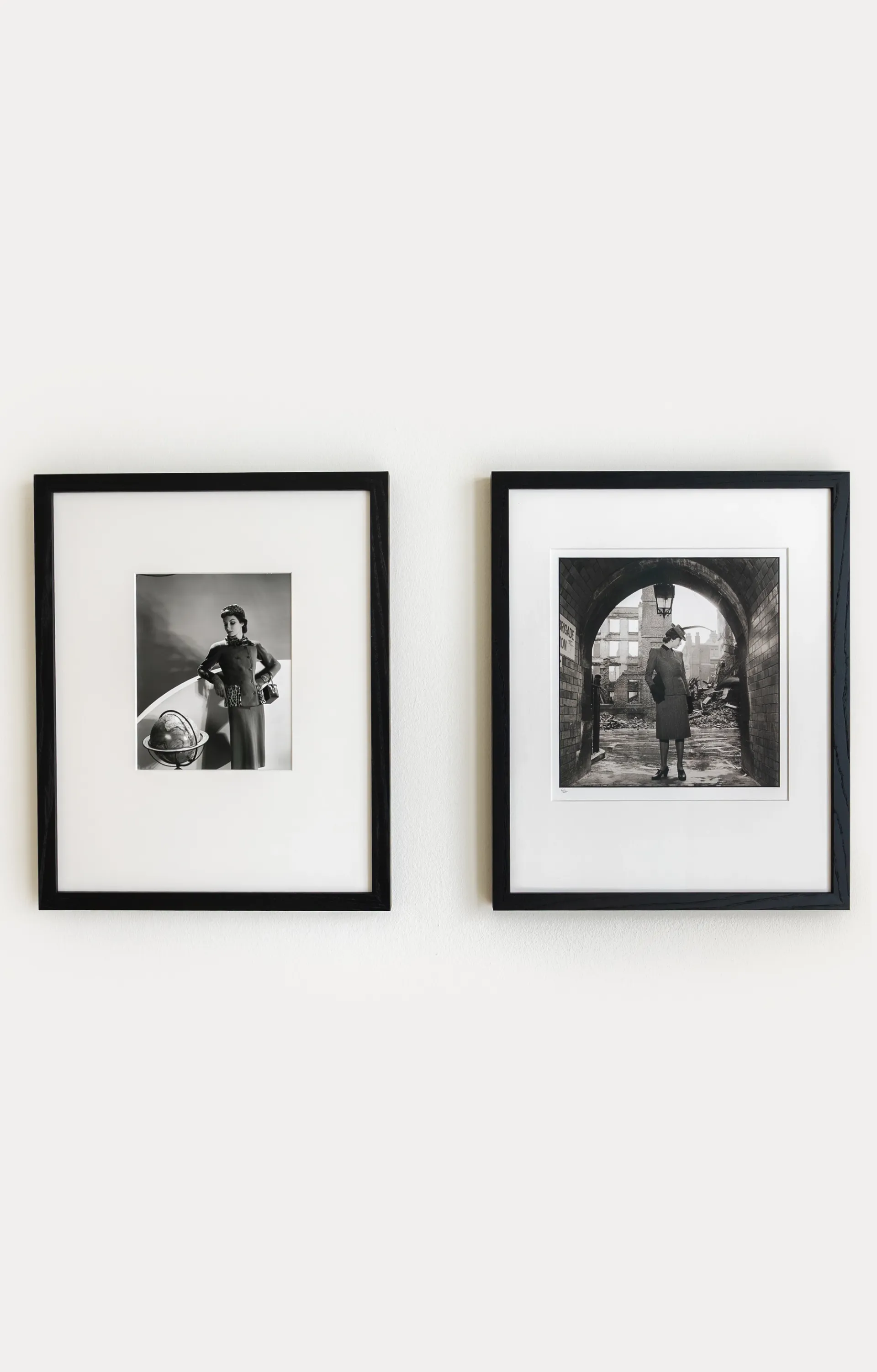
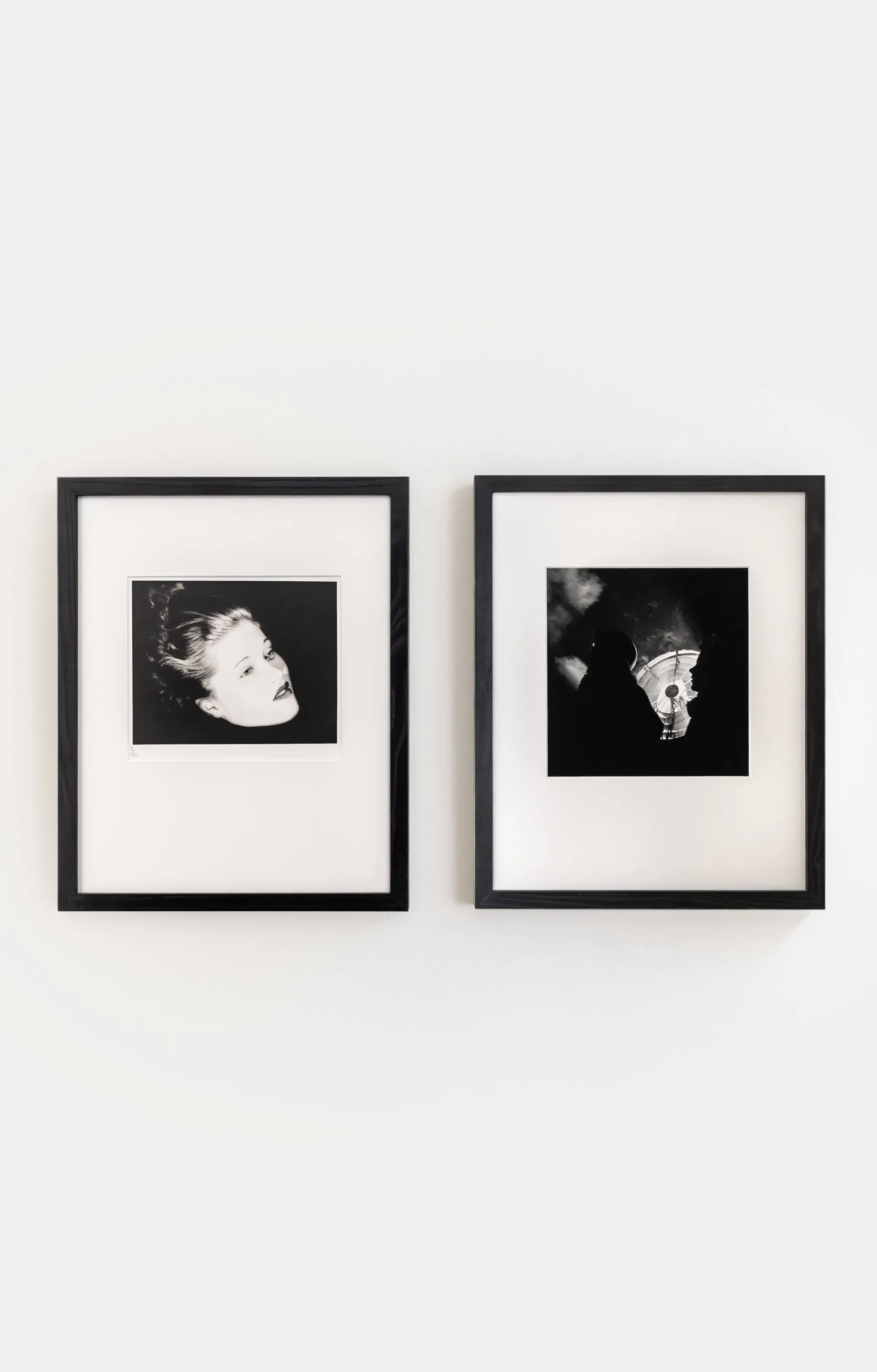
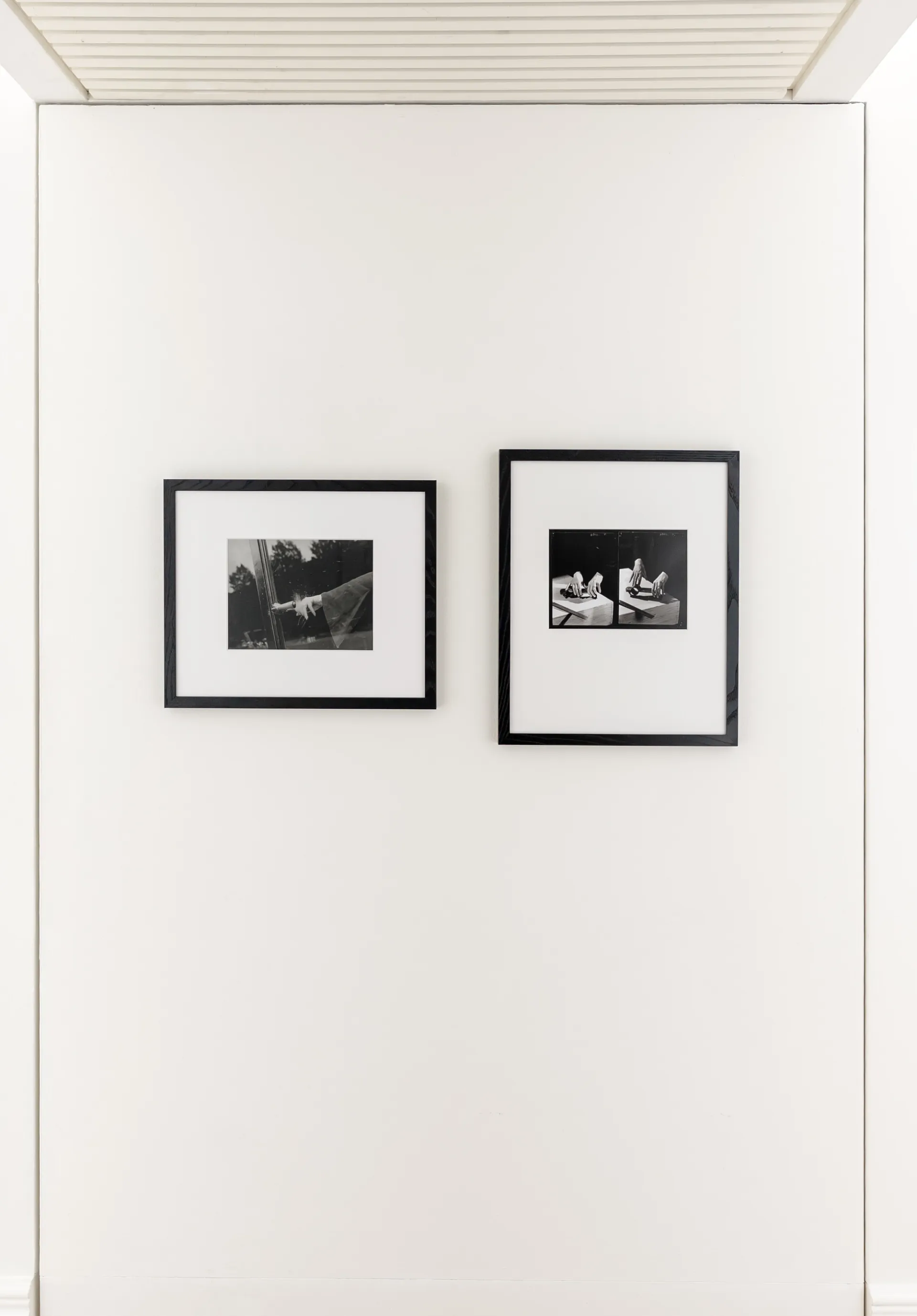
For Performance of a Lifetime, photographs are presented in pairs, each coupling two seemingly unrelated images unified by theatrical tension and formal ties. A line of ATS (Auxiliary Territorial Service) women silhouetted by a searchlight is paired with an early commercial photograph of mirrored perfume bottles; a crisp 1932 profile self-portrait is placed next to Miller’s harrowing 1945 image of Regina Lisso, the daughter of Leipzig’s deputy mayor, photographed shortly after her suicide as Allied forces advanced. In the Vogue text accompanying the image, Miller remarked on the teenager’s “extraordinarily pretty teeth”, a chilling detail that underscores the artist’s ability to fuse observation with narrative.
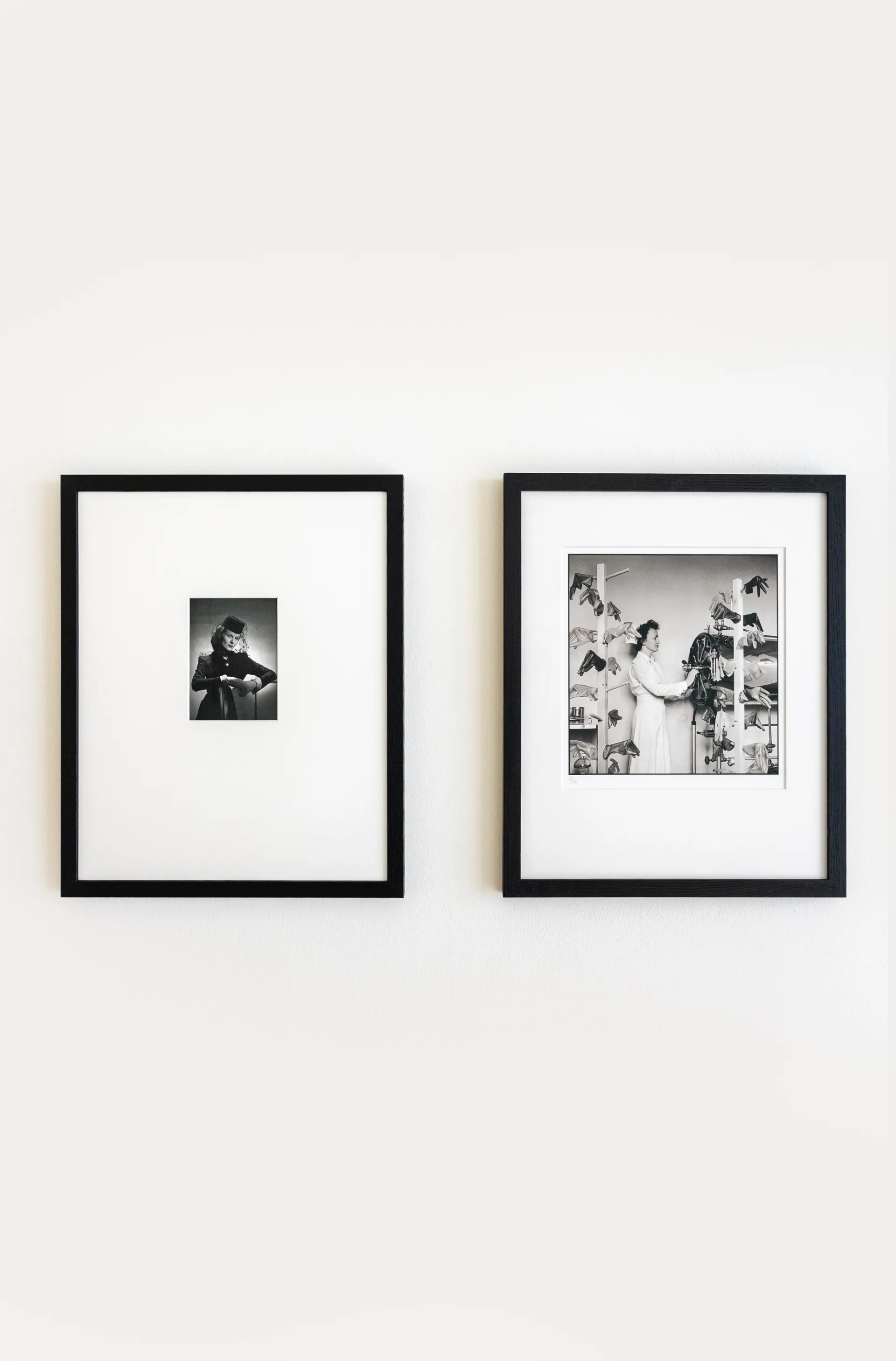
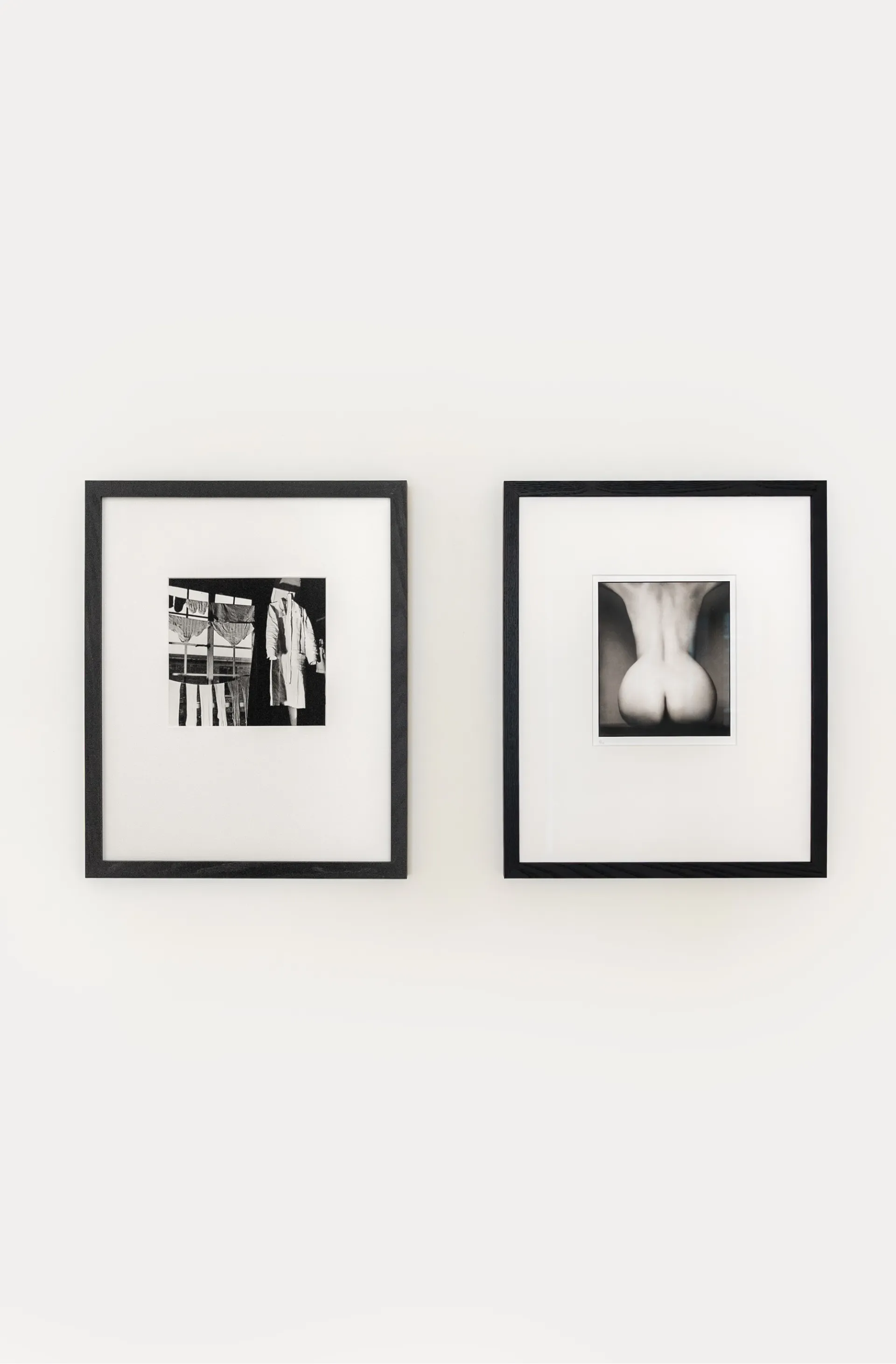
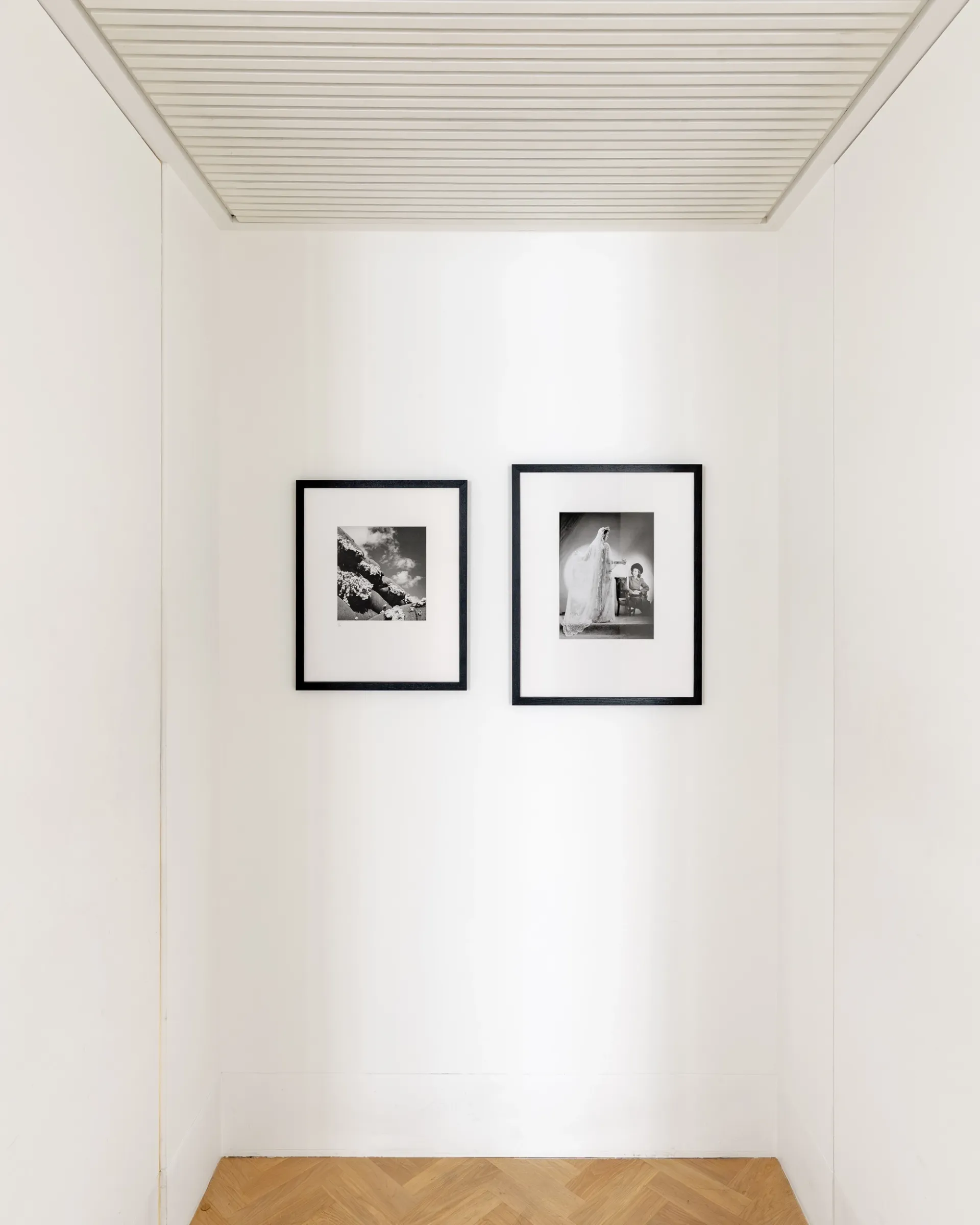
The earliest work in the show, a c.1930 nude shot while Miller was Man Ray’s collaborator and romantic partner, reveals her early command of lighting with the curves of the body rendered as delicately as graphite. Miller’s proficiency in technical lighting is clear here, even at this early stage in her career. Several photographs originally published in British Vogue are also presented, including High Fashion, 1939, in which a model wearing a fur trimmed suit looks down on a globe as though appraising a world in the midst of realignment.
To mark the exhibition, the Lee Miller Archives will debut and release a newly printed platinum edition photograph of opera singer Irmgard Seefried, captured performing amid the bombed ruins of Vienna’s State Opera House, a poignant encapsulation of Miller’s lifelong fascination with performance, even under the most extreme conditions.
The Art Newspaper
"London show of Lee Miller photographs is fundraising to save thousands of her negatives" - Anny Shaw, 19 January 2026


Lee Miller, Untitled [Nude back thought to be Noma Rathner], Paris, France, (1930) and Irmgard Seefried, Opera singer, singing an aria from 'Madame Butterfly', Vienna Opera House, Vienna, Austria, (1945)
The Lee Miller Archives, which were established after the American photographer’s vast collection of photographs and writings were discovered in the attic of her Sussex home following her death in 1977, is raising money to provide urgent conservation of thousands of her negatives, some of which are nearly 100 years old.
Proceeds from the sales of works on show at Lyndsey Ingram gallery in London will ensure that as many as 60,000 negatives and prints—some of them in a perilous state—will be frozen and preserved. Miller’s archive is stored at Farleys House in East Sussex where she lived with her husband, the art historian and Institute of Contemporary Arts co-founder Roland Penrose, from 1949 until her death.
The exhibition, Lee Miller: Performance of a Lifetime (23 January-25 February), examines the pivotal role of theatre, staging and performance throughout Miller’s practice—from her arrival in Paris in 1929 and her involvement with the Surrealists to the final years of the Second World War, during which time Miller worked as a photojournalist. Prices start at £3,800; several corresponding prints are also currently on show at Tate Britain as part of a survey show.
Ami Bouhassane, Miller’s granddaughter who runs the Grade II-listed Farleys House together with her father Antony Penrose, tells The Art Newspaper how Miller’s trove was discovered in the attic by chance almost 50 years ago. “Just after I was born, my mum was looking for pictures of my dad as a baby and she went up into the attic, but instead of coming back down with baby pictures she found the contact sheets and manuscripts from the Siege of Saint-Malo.” It was the first combat battle that Miller covered as one of the first female war correspondents, covering the conflict for Vogue and Life magazines.
“She never talked about her career,” Bouhassane says. “My dad had no idea. He knew that she’d been a photographer, that she could take good pictures and that she’d been a model, but he had no idea at what level, and he had absolutely no idea about what she’d done during the war.” The moment Miller’s work was discovered, Penrose resolved to establish her archive.
Miller’s frontline war experiences, including witnessing the liberation of the Dachau and Buchenwald concentration camps, and her subsequent post-traumatic stress disorder (PTSD) when she returned home are well documented. “After the war, Lee really struggled to come back and be a fashion photographer, to get excited about hats and handbags after everything she’d seen,” Bouhassane explains. “She had PTSD and she suffered from post-natal depression. But the attitude was to ‘put up and shut up’. She drank for a bit because that was the only accepted way of dealing with it.”
Working as a photojournalist after the war also proved difficult, so when Miller and Penrose moved from London to Farleys in 1949 she boxed up all her negatives and prints, never to unpack them. Despite this, Bouhassane thinks a part of Miller remained attached to her work. “It would have been a hell of a lot easier to make a massive bonfire and burn it all,” she says. “So even though Lee turned her back on photojournalism and art photography, on some level she felt that she didn’t want to part with it and that’s why she left it in the attic.”
Bouhassane recalls how, when she started working for the archive 26 years ago, Miller’s work was “valued at pennies”, and she and her father had to fight to get recognition for the photographer. “I used to pitch shows with my dad, and we’d have to play this game where you’re trying to appeal to somebody to give you a Lee Miller exhibition, so you just name drop all the 20th-century male artists she’d photographed or had affairs with, and then we’d get a show. It’s only in the last 12 years that she has got shows in her own right, and the fact that she’s a woman is not such an issue.”
The archive is now working with the Preus Museum in Norway, which specialises in photography and preserves their negatives by freezing them. “It’s really the only way that you can stop them from degrading completely,” Bouhassane says. “Luckily, you can do it in a domestic freezer, but it’s now a matter of finding space for all the freezers we will need.”
First, there are plans to digitise the archive, though the process will be determined by how much funding the organisation can raise. The Lee Miller Archives is represented in Europe by CLAIR gallery in Switzerland and works on a case-by-case basis with other galleries. The collaboration with Ingram came via the curator Clara Zevi, the founder and director of Artists Support, an initiative that helps artists and estates raise money.
As Zevi points out, the long-term goal is to turn Farleys House from a business into a charity to secure Miller’s legacy. “It’s such a special place; it’s not your regular house museum because you really feel that it was lived in and that a lot of fun was had there, too. Ami and her father have done such a beautiful job conserving both the work and the story in that house.”
Bouhassane acknowledges relinquishing control of the archive “will be a big thing”. But, she adds, “we have done a lot of soul searching and feel this is the best way to be able to make sure that Farleys remains accessible. We’re always trying to look towards Lee’s legacy. It was so hard to get her recognised, it would be a shame if there was nothing left for future generations.”